
Vitamins and minerals support energy release, bones, immunity, and metabolism—mostly from food when your pattern is varied.
Iron carries oxygen in blood. Haem iron in red meat, chicken, and fish is absorbed efficiently. Non-haem iron in spinach, lentils, and fortified cereals absorbs better with vitamin C—think lemon on salad or capsicum with beans. Tea and coffee near meals can reduce absorption; leave a gap if you are building intake under guidance.
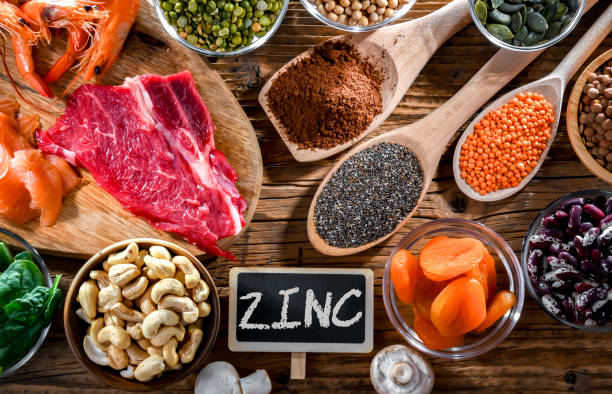
Zinc supports everyday tissue maintenance and taste. Oysters are rich sources; more everyday options include beef, pumpkin seeds, chickpeas, and dairy. Plant-based eaters should rotate zinc sources and avoid excessive unfermented soy at every meal, which can bind minerals when overdone.
Only supplement iron when a blood test and clinician recommend it—excess iron harms organs.
Calcium builds bone matrix; adults need consistent intake from dairy, fortified plant milks, canned salmon with bones, tahini, and leafy greens like kale. Vitamin D helps calcium deposit; sun exposure on arms for short periods in summer contributes, but many Australians still show low levels in winter—fortified foods and oily fish help. Discuss testing with your GP before high-dose supplements.
Weight-bearing activity—walking, stairs, resistance training—stimulates bone alongside nutrition. Salt and caffeine in large amounts may increase calcium loss; moderate intake fits balanced patterns.
B vitamins (B1, B2, B3, B6, B12, folate) help convert food to energy. Whole grains, meat, eggs, dairy, and legumes spread the load. B12 is critical for nerve function; it appears almost exclusively in animal foods or fortified products—vegans should use fortified milks or a supplement aligned with clinician advice.
Iodine supports thyroid hormones. Bread in Australia is fortified with iodised salt; seafood, dairy, and eggs add more. Excess kelp supplements can overshoot needs—food-first approaches are safer unless directed otherwise.
Vitamin C in citrus, kiwi, and capsicum supports collagen and iron uptake. Vitamin A precursors (beta-carotene) colour carrots, pumpkin, and sweet potato. Vitamin E sits in nuts and seeds. Eating a rainbow weekly distributes these compounds without megadosing.
Frozen berries and mangoes lock in nutrients for smoothies. Dark green vegetables shrink when cooked—two cups raw becomes a reasonable serve cooked. Herbs like parsley add vitamin K; people on warfarin should keep intake consistent and follow medical advice.
Pregnancy, vegan diets, malabsorption conditions, or confirmed deficiencies may warrant targeted supplements prescribed or approved by professionals. Multivitamins are convenient but can duplicate nutrients already abundant in your diet. Check upper limits for fat-soluble vitamins A, D, E, and K.
Keep a food diary for two weeks before buying bottles—you may already cover needs with fortified breakfast cereal, dairy, and vegetables.
Cooking demos pairing legumes with vitamin C sources; tasting notes included.
Safe sun habits, food sources, and questions to ask your GP about testing.